Abington Township's fire department has been housed in a chief's renovated garage and a station that has since been condemned. The building problem is the oldest unsolved problem the department has.
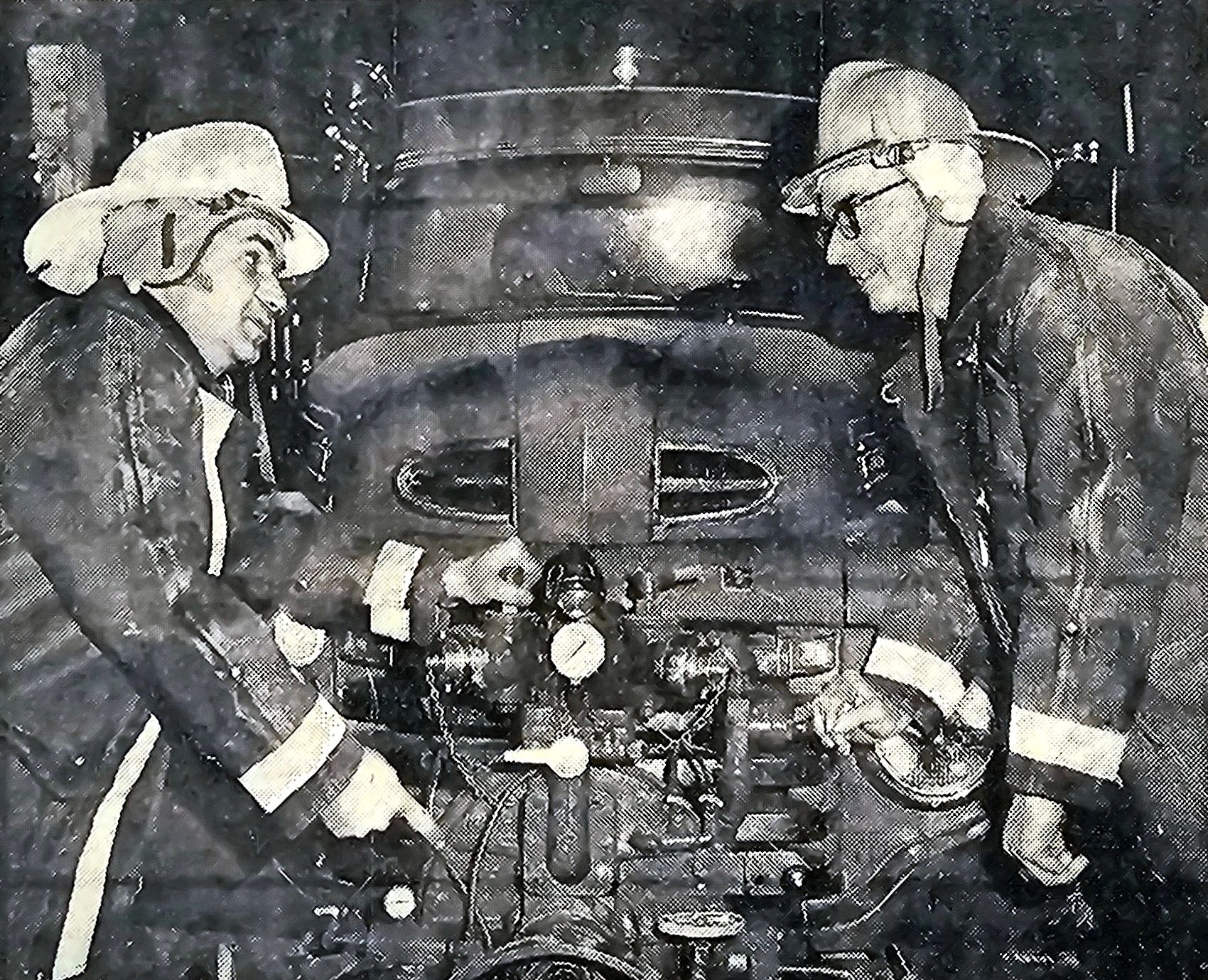
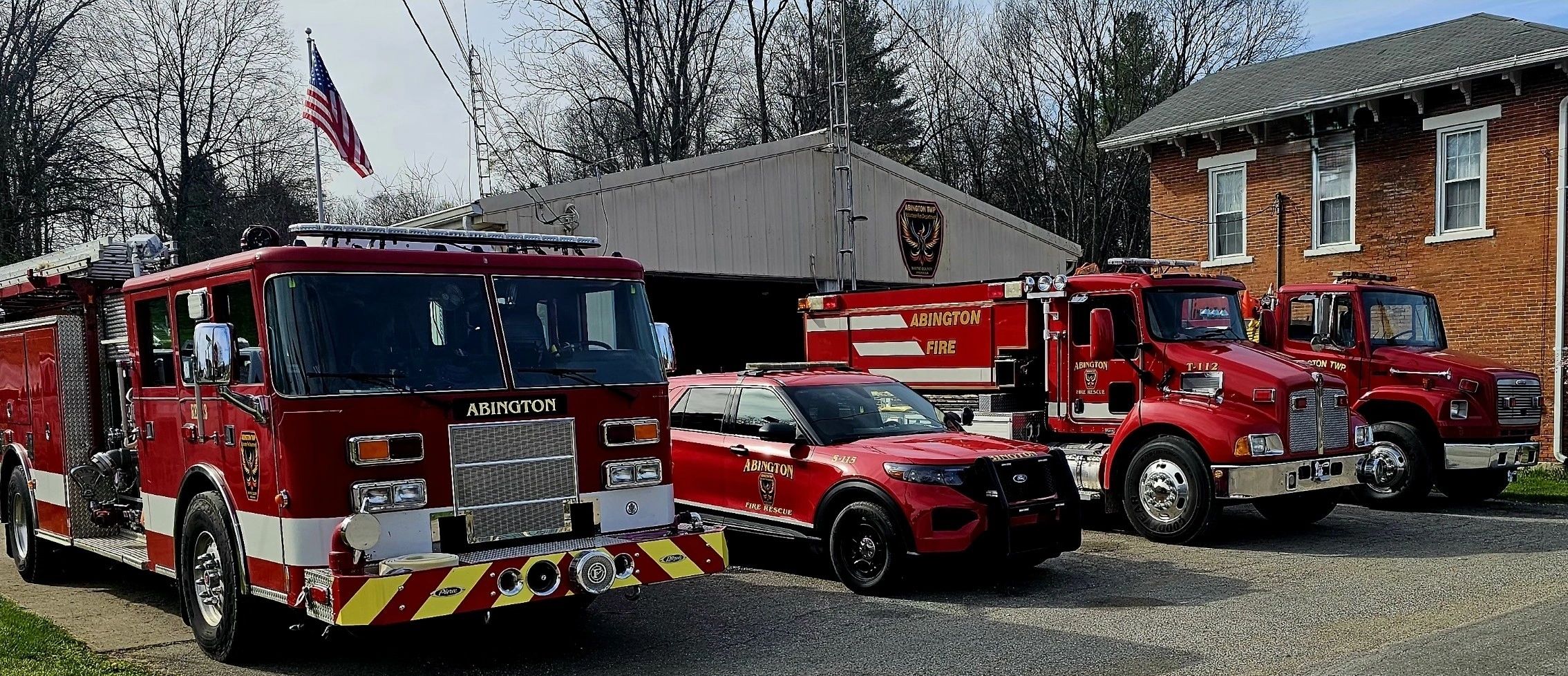
The Abington Township Volunteer Fire Department has never had a building that was quite enough. It began in 1968 in a renovated garage belonging to the first appointed chief, Curtis Gilmore. The firehouse that followed has since been condemned, closing it to public entry, and what the department works from now is too small and needs frequent, expensive repairs.
Most department histories are told through apparatus — the trucks bought, the trucks retired. Abington's is better told through buildings, because the building is the part that never got solved.
1968: the garage
When forty-three residents formed the department, they bought equipment before they had anywhere to put it: a used pumper, an 800-gallon tanker with a mounted pump, and a 1,000-gallon Fold-A-Tank.
Curtis Gilmore renovated his garage and the trucks went in there. That was the arrangement. The first chief of the township's fire department kept the township's fire department at his house.
It worked in the way that rural solutions work — completely, and at somebody's personal expense. Every response started at one man's property. Every piece of maintenance happened in a space built for a family car.
What a station is actually for
People reasonably assume a firehouse is a garage with a good roof. It is considerably more than that, and the gap between the two is measured in minutes on a call.
- Turnout time. Gear laid out properly, in order, with room to move, is the difference between leaving in two minutes and leaving in five. On a working fire, that is a room.
- Gear care. Turnout gear absorbs products of combustion and has to be washed and dried properly. Breathing apparatus needs servicing, and air cylinders need a working cascade system. A cramped bay with nowhere to hang anything shortens the life of equipment the department had to raise money for.
- Training space. A department that can drill on site drills more often. One that has to travel to train, trains less.
- The public. A condemned building cannot host a station tour, a school visit, a CPR class, or an open house. Community fire education needs a room to happen in.
That last point is the one that is easy to miss. When a station closes to the public, the department loses its best recruiting tool and its best teaching space at the same time.
The honest economics of a rural station
Abington Township had 786 residents at the 2020 census, down from 853 in 2010, spread across about twenty-one square miles. That is the tax base. It is not a tax base that quietly funds a new fire station.
So the department does what rural departments do: it assembles capability from grants and neighbors. A Whitewater Valley REMC grant of more than $10,000 went to training, radios, breathing apparatus, repairing the cascade system, and CPR equipment. Freedom GMC of Richmond donated a 2026 GMC Sierra for medical response. Bomgaars Richmond donated tools to replace battery equipment that had failed. Reid Health donated two AEDs. Menasha Corporation awarded $1,000 in grants. State Farm and the National Volunteer Fire Council sent laptops.
Each of those is a real capability the township now has and did not have to raise alone. None of them is a building.
Where the fundraising is pointed now
The department's current campaign, the Firefighter's Hat Fund, is not aimed at the station. It is raising $25,000 for training, education, and community fire education, through coloring book sponsorships sold in tiers named for fire helmet levels.
That is a deliberate choice and a sensible one. A station is a capital project with a long horizon. Training hours, certification costs, and the fire education the department brings into Abington homes and classrooms are immediate, and they are what keeps fifteen active firefighters capable of covering twenty-one square miles right now.
The building problem does not go away. But a department that stays sharply trained in an inadequate building serves the township better than one that waits.
Fifty-seven years on
There is a straight line from Curtis Gilmore clearing out his garage in 1968 to a department today working out of a building that is too small, still turning out, still training, still showing up.
It is not a complaint. Every volunteer department in rural America has a version of this story. But it is worth the township knowing it, because the people who make up the difference between what the building provides and what the job requires are doing it for free, and they have been doing it since 1968.
Common questions
Where was Abington Township's first fire station?
There was not one. When the department formed in 1968, its used pumper, 800-gallon tanker, and Fold-A-Tank were stored in a renovated garage belonging to Curtis Gilmore, the first appointed fire chief.
Why was the Abington firehouse condemned?
The department reports the firehouse was condemned, which closed it to public entry. The building the department continues to work from is too small for current needs and requires frequent and costly repairs.
Why does a fire station matter beyond storing trucks?
A station determines how quickly crews can get into gear and out the door, whether breathing apparatus and tools can be properly maintained and dried, whether training can happen on site, and whether the public can be brought in for education and events.
What is the Firefighter's Hat Fund raising money for?
Training, education, and community fire education for Abington Township. The campaign sells coloring book sponsorships in tiers named after fire helmet levels, with a goal of $25,000.
How can I help with the department's building and equipment needs?
Through the department store, coloring book sponsorships, and the Firefighter's Hat Fund. Donations go toward training hours, certification costs, and replacement equipment rather than administration.
Sources
- Abington Township Volunteer Fire Department. Department history
- Wikipedia. Abington Township, Wayne County, Indiana
Supporting the department
The building problem is long-term. Training and equipment are immediate, and that is where support goes today.
- The department store. We have stood up a store so the community can back the department directly. Every purchase helps pay for training hours, replacement gear, and the fire education we bring into Abington Township homes and classrooms.
- The community coloring book. A 40-page safety and coloring book built for Abington families, with local scenes, a twelve-month family safety calendar, and fire safety pages children actually use. Sponsorships and the Firefighter’s Hat Fund put the proceeds straight into training and community fire education.
- Our channels. Watch the crew at work on YouTube and follow day-to-day department news on Facebook.
- The Station News. Our free monthly newsletter — calls, training, events, and what the department needs — delivered once a month. Sign up on the newsletter page and you will not miss anything that happens in the township.
Frequently asked questions
Where was Abington Township's first fire station?
There was not one. When the department formed in 1968, its used pumper, 800-gallon tanker, and Fold-A-Tank were stored in a renovated garage belonging to Curtis Gilmore, the first appointed fire chief.
Why was the Abington firehouse condemned?
The department reports the firehouse was condemned, which closed it to public entry. The building the department continues to work from is too small for current needs and requires frequent and costly repairs.
Why does a fire station matter beyond storing trucks?
A station determines how quickly crews can get into gear and out the door, whether breathing apparatus and tools can be properly maintained and dried, whether training can happen on site, and whether the public can be brought in for education and events.
What is the Firefighter's Hat Fund raising money for?
Training, education, and community fire education for Abington Township. The campaign sells coloring book sponsorships in tiers named after fire helmet levels, with a goal of $25,000.
How can I help with the department's building and equipment needs?
Through the department store, coloring book sponsorships, and the Firefighter's Hat Fund. Donations go toward training hours, certification costs, and replacement equipment rather than administration.